It’s that amazing time of year where blooms are eye catching and sweet aromas are either meditating your mind or stressing your nasal cavities. We have finally reached our long heated days where petals rise and set with the sun. If you have a yard that receives an abundance of sunlight, then stay tuned in as I focus on plants who thrive to shine.

Perennials VS. Annuals
Before you dig into the dirt, then you first must ask yourself if you want a long term or short term relationship with the plant. If you are looking for a quick fix or instant pop of color, then annuals are probably more of your style. If you are more patient and willing to wait through hard times, then take on a perennial relationship. Personally, I have a mix of perennials and annuals, because I love the bold loyalty of a perennial; however, I also enjoy the ease and simplicity of an annual.
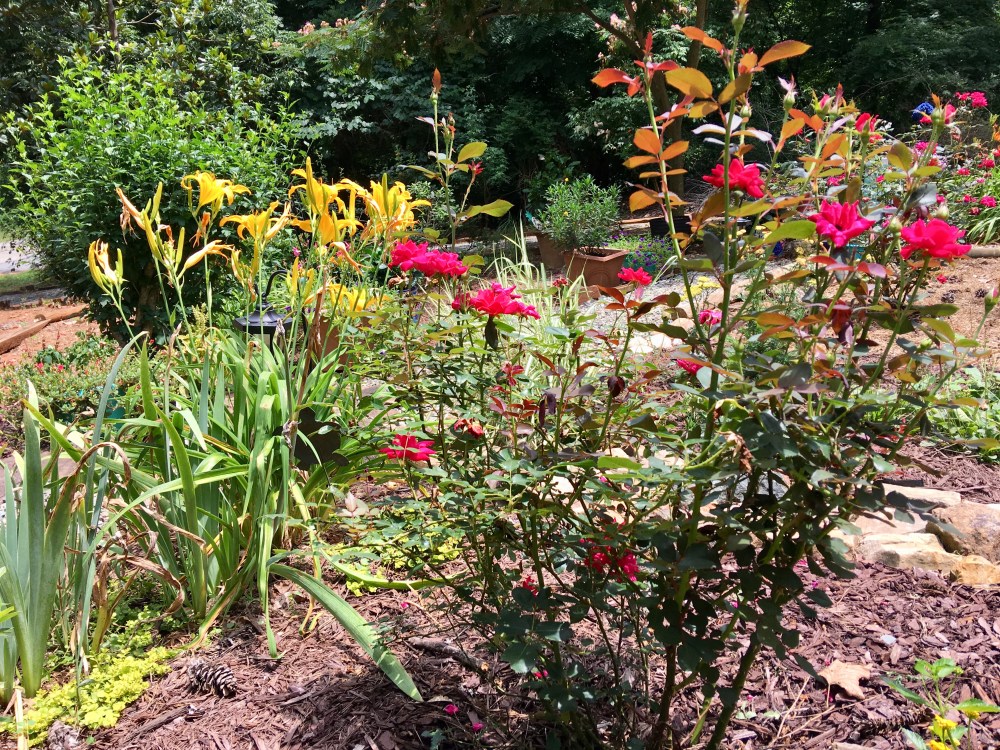
Sunny Annuals:
Hello, my name is Petunia.
This sweet and lovely lady enjoys long hours in the sun. She loves to expand and can easily overcrowd other plants. Be careful when potting or planting her with other plants, because she can be overbearing at times. She requires water daily or she will become rather parch.


Hello, my name is Hibiscus.
So if you’re wanting a more tropical vibe, then this baby will take you directly to white sand and roaring waves. This darling loves the sun and heat; however, still heavily relies on water sources. You have to think that this darling originated in tropical areas where rainstorms arise daily. Flowing and swaying like the waves of the ocean, yet bold and radiant like the shimmery sand.


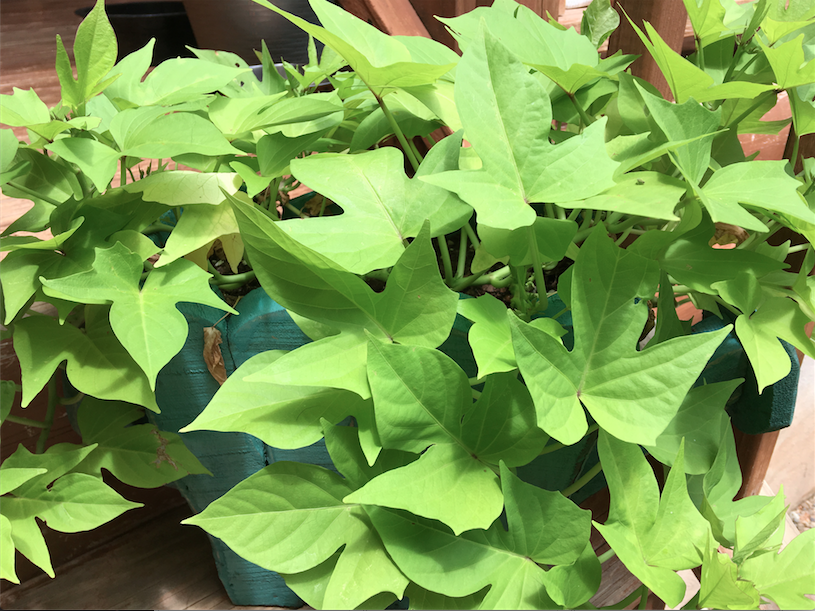
Hello, my name is Sweet Potato Vine.
Oh, so you need someone who can grow despite the amount of sun or shade, then the Sweet Potato Vine (also known as the Creeping Jenny) is just right for you. This gorgeous green loves to hang out in containers or the soil. It pairs beautifully with any brightly colored plant. It requires hydration daily and will grow best in areas that receive at least six hours of direct sunlight…don’t let this fool you though, because it will still sustain in shade.
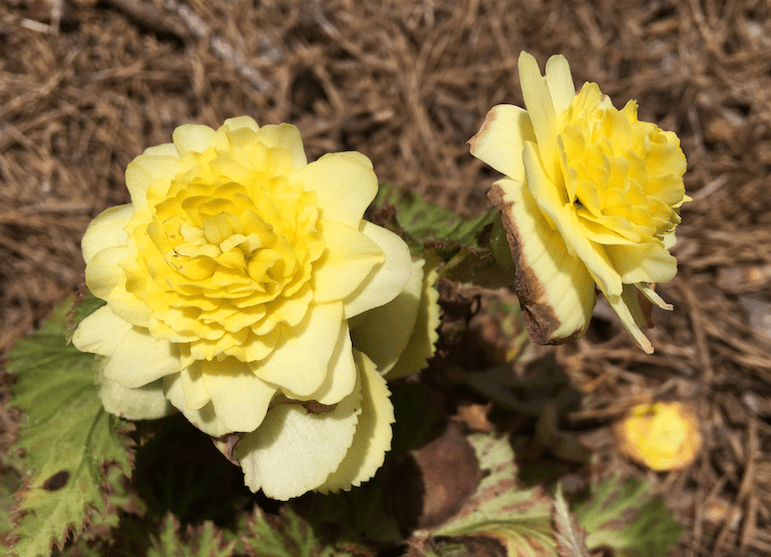
Hello, my name is Begonia.
The Begonia is special in the sense that even though it is classified as an annual; if it continues to reproduce during season, then you most likely will see Begonias the following year. Begonias are capable of growing in areas that could receive sunlight or shade all day. Begonias struggle in extensive heat so be sure to hydrate anytime the top of the soil is dry.
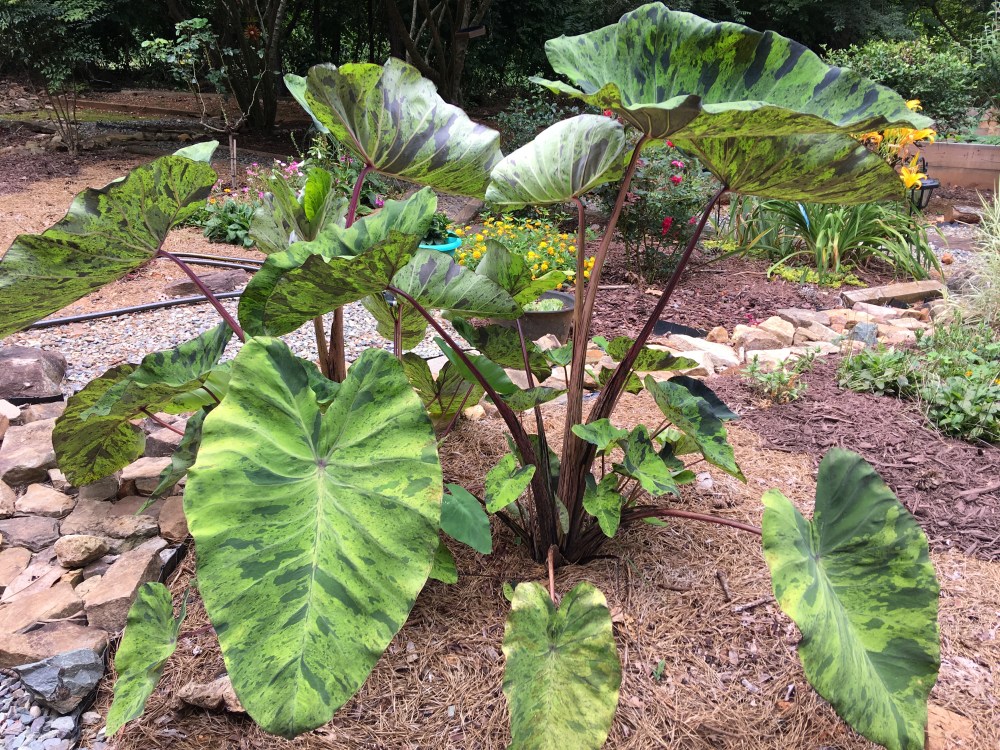
Hello, my name is Caladium.
Commonly known as elephant ears; this variety of plant species can grow in full shade or direct sun. If planted in warmer climates, then Caladium can become a perennial. Caladium can be dug up and kept inside during North Carolina winter months, then replanted once temperatures are consistently above 50 degrees fahrenheit. These beauties can grow as tall as 6ft so be sure to plant them in an area where they can multiply and spread out. Most elephant ears grow best in partial shade or areas that receive only 4-6 hours of sunlight. Be careful to plant around cats, because the leaves are toxic to cats. I have two cats and they do not go near our elephant ears.
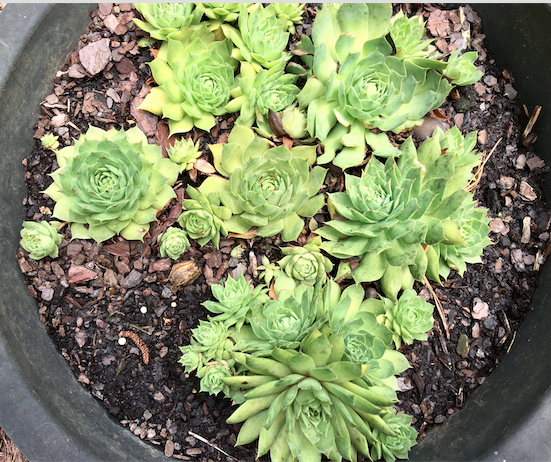
Hello, my name is Succulent.
Succulents can become perennial if they are brought inside during winter months and kept in bright areas where they are still watered frequently. Succulents really only need 4-6 hours of direct sun and are drought tolerant; however, be sure to water whenever the soil becomes dry. They love to multiply and take over so be cautious if planting with others in small containers.
Hello, my name is Mandevilla Vine.
This lush of tropical blooms is thought of as an annual, but can be brought inside during winter months and continue blossoming with the help of a bright space, fertilizer, and water. The Mandevilla does not tolerate temperatures that drop below 50 degrees fahrenheit and needs to be placed in an area that receives sunlight; however, receives some shade so that the Mandevilla does not burn up. This is a tropical plant which means it will require frequent watering. Be sure to pair it with a trellis so that the Mandevilla can continue to ease it’s way upward and outward.


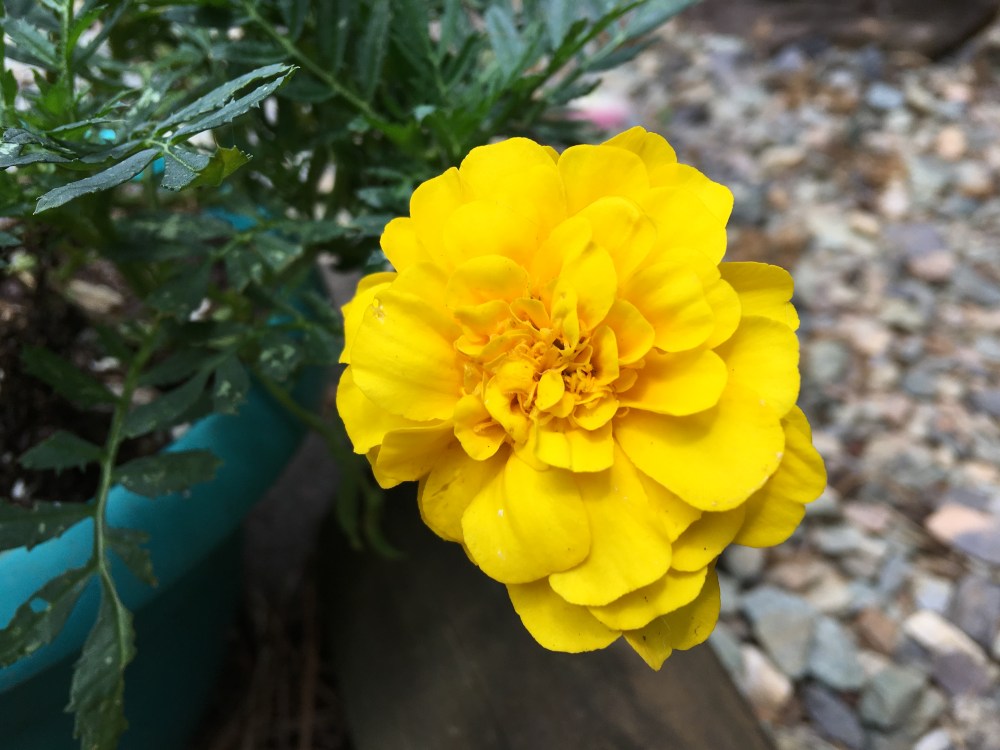
Hello, my name is Marigold.
The Marigold is famous for it’s multitude of uses. This plant is known for keeping critters away from vegetable gardens, as well as repelling mosquitos from patios. The Marigold is built to last only one season; however, in that season multiplies and can be used as a repellent, medicine, fragrance, or food dye. The Marigold requires direct sunlight; however, be careful in making sure the blooms do not burn up and that your Marigold is receiving frequent water.
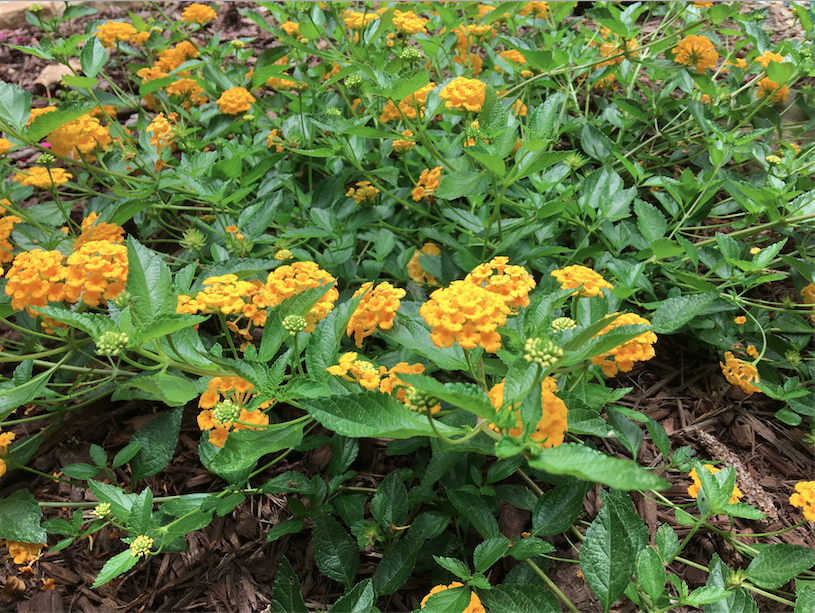
Hello, my name is Lantana.
Lantana is a drought tolerant plant whom also does not mind tackling the humidity. This plant loves to receive direct sunlight for majority of the day and will not attract deer or rabbits. The only visitors that the Lantana receives are butterflies or bees. If you live in year round warmer climates, then Lantana can survive as a perennial.
Shimmering Perennials:
Hello, my name is Achillea.
This unique and sturdy flower will bloom from June and on into August and is able to endure heat and humidity. It grows best in areas that receive sunlight over 6 hours out of the day. The Achillea is adaptable to almost any soil and will return year after year if proper deadheading is done.


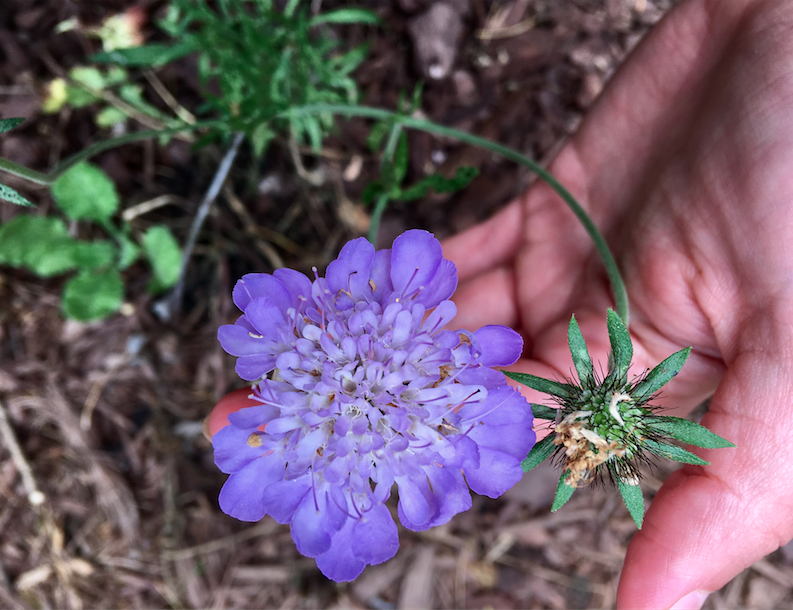
Hello, my name is Pincushion Flower.
This flower will produce vibrant shades of purple from early summer until late fall. The lovely Pincushion thrives on sunlight; however, requires water whenever the top of the soil is dry.
Hello, my name is Day Lilly.
This wide variety of blooms will liven and fill any space. The Day Lilly comes in multiple colors and sizes. Be cautious if you live in an area with deers, because they love to snack on Day Lilly’s. This plant thrives in areas receiving direct sunlight; however, needs to be watered frequently and checked for bugs that could deteriorate it’s leaves.


Hello, my name is Knock Out Rose Bush.
The name says it all for the Knock Out, because this strong bush will literally keep coming back each year and “knocking you out” with it’s blooms and size. This trusty plant is disease resistant and does well in sunny spots. Be sure to frequently water your Knock Out during it’s first season. The Knock Out will require what I call “haircuts” or trimming back to ensure that it produces full blooms and does not become overbearing in size (unless desired).
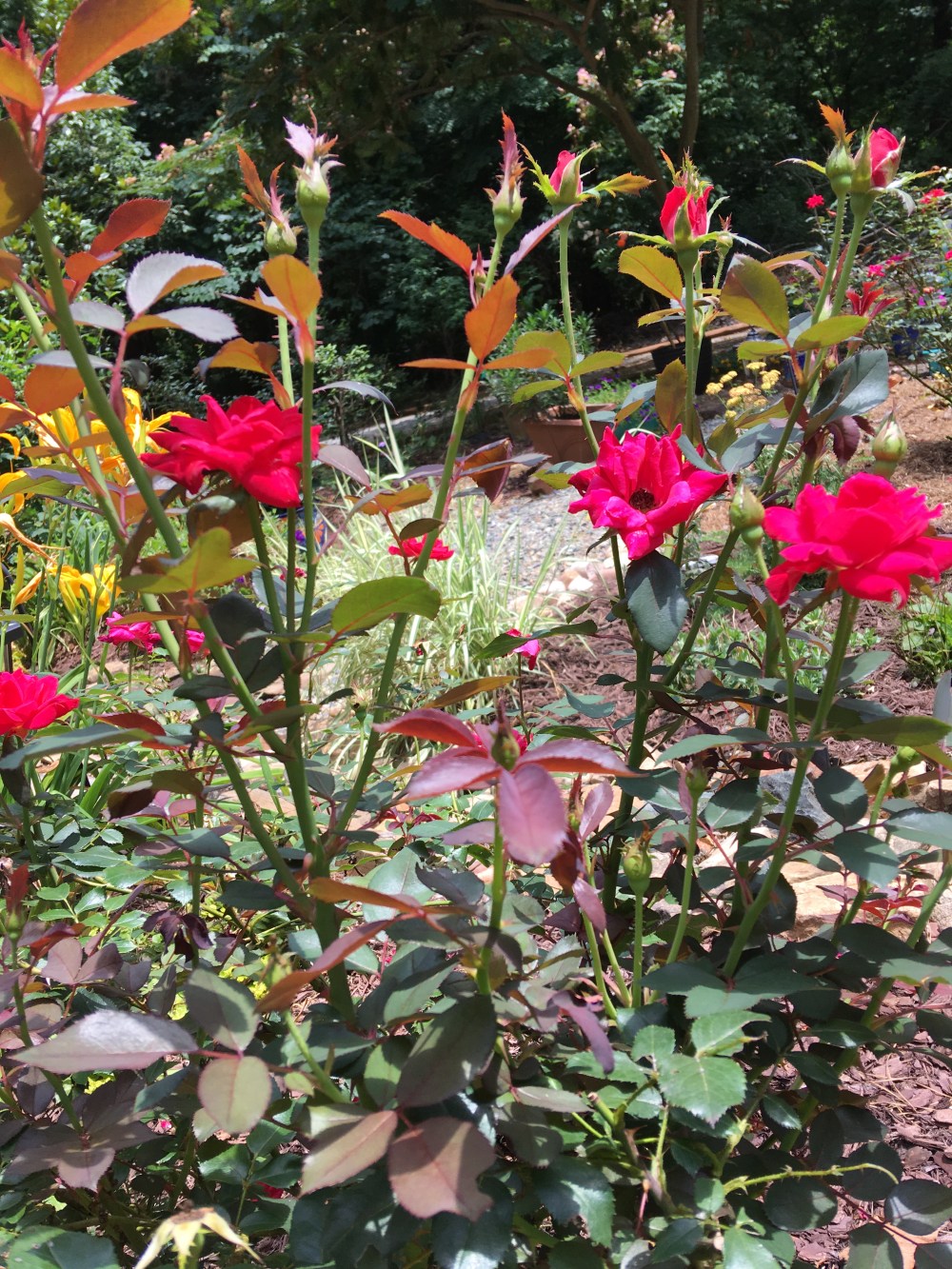
Hello, my name is The Drift Rose.
This ground covering plant is similar to the Knock Out Rose Bush in the fact that it is a strong and disease resistant plant. The Drift loves to creep across the ground and allows it’s blooms to cover the ground and raise up to the sun. This bush requires frequent watering during it’s first season and will need pruning. Check in with The Drift to make sure that spiders are not trying to turn these beauties into nesting areas.


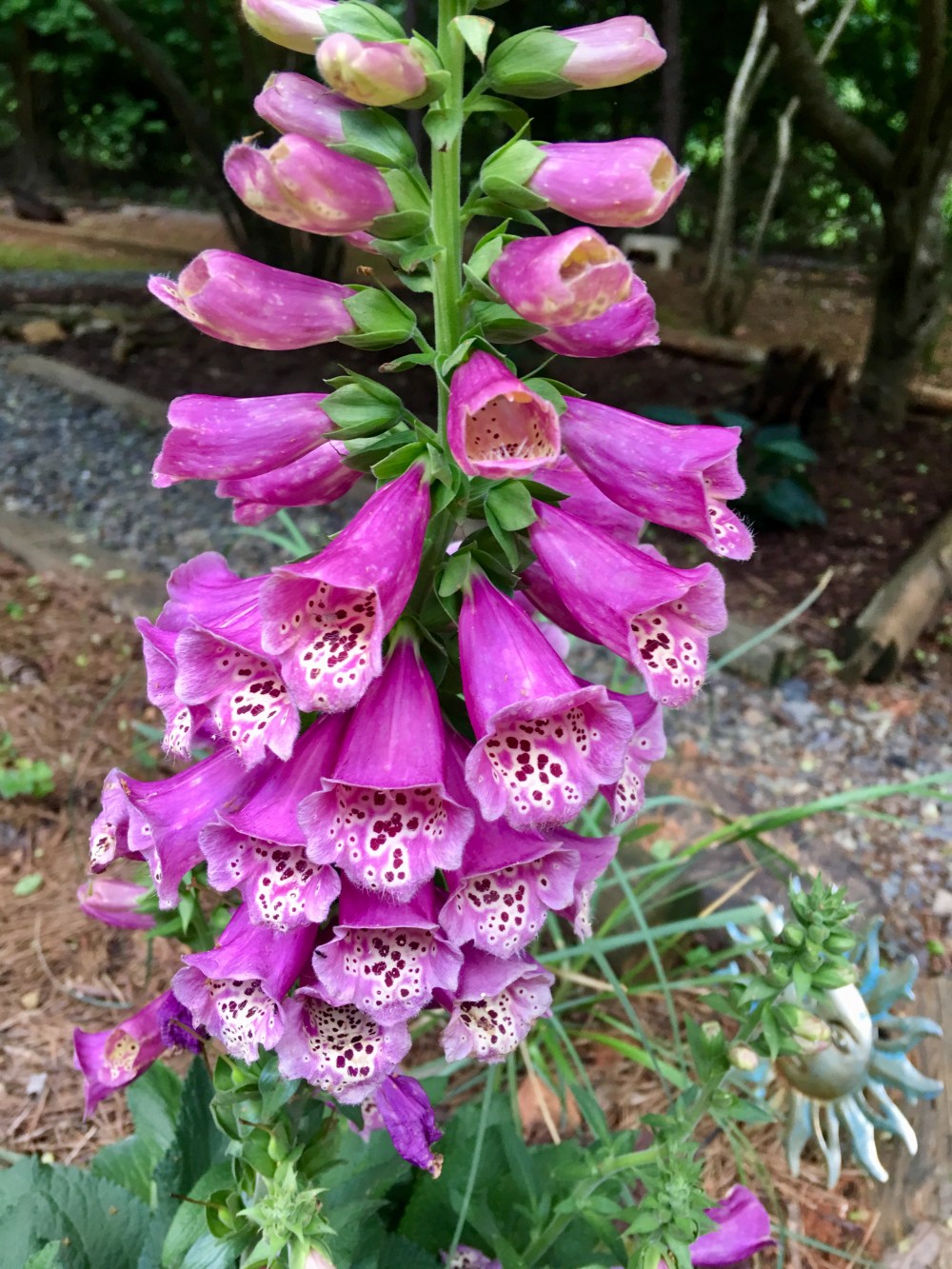
Hello, my name is Foxglove.
These tall and steadfast blooms are deer resistant and can anywhere between 2-5 feet tall. These blooms are lovely to look at; however, keep a close eye on pets if there is open access to this plant. The Foxglove thrives in an area that receives direct sunlight or little shade. Also, be sure to plant Foxglove in an area where it can be protected from wind damage.
Hello, my name is Salvia.
This plant grows best with at least two other containers to ensure that the plant continues to multiply. This plant holds bloom from summer into late fall. These beauties are awesome for attracting butterflies, hummingbirds, and honeybees. This baby can tolerate the heat of summer; however, prefers soil to maintain moist. Be sure to prune this plant after it’s first blooms begin to fade to ensure it’s vibrant color to reappear.


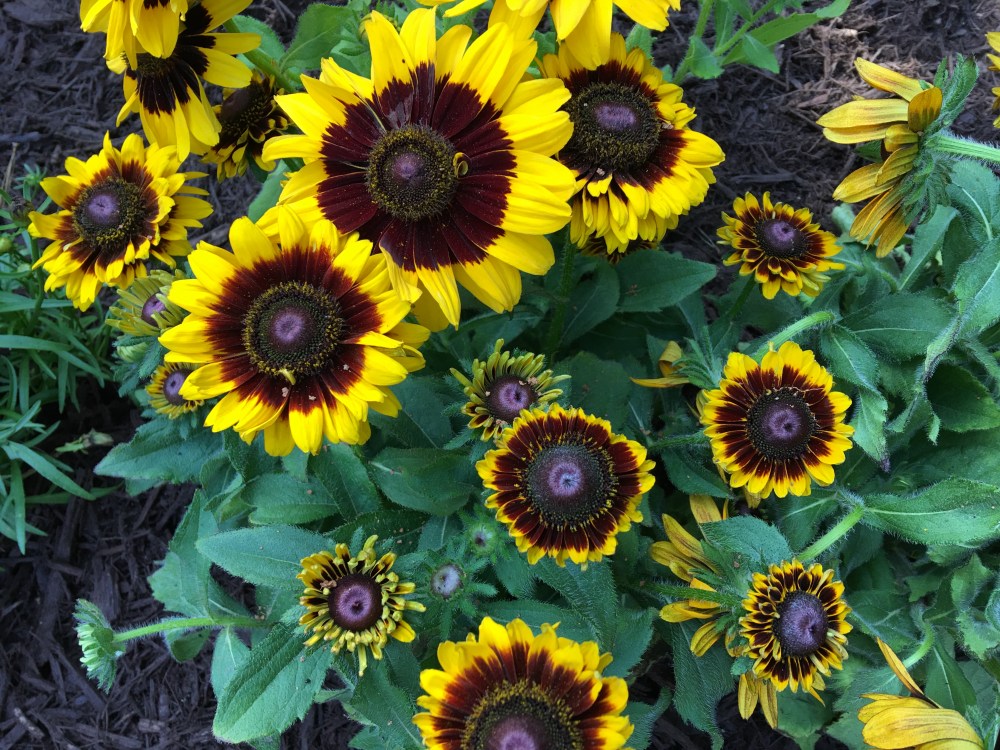
Hello, my name is Denver Daisy Rudbeckia.
This daisy blooms from spring and into fall and requires monthly fertilization. It is commonly called “Black Eyed Susan” and will become deer resistant once it reaches full maturity. If you love sunflowers, then you will enjoy the art that the Denver Daisy displays with it’s vivid yellow and deep scarlet petals. Be sure to frequently water until the plant reaches maturity, then you can ease up on how often you are watering.
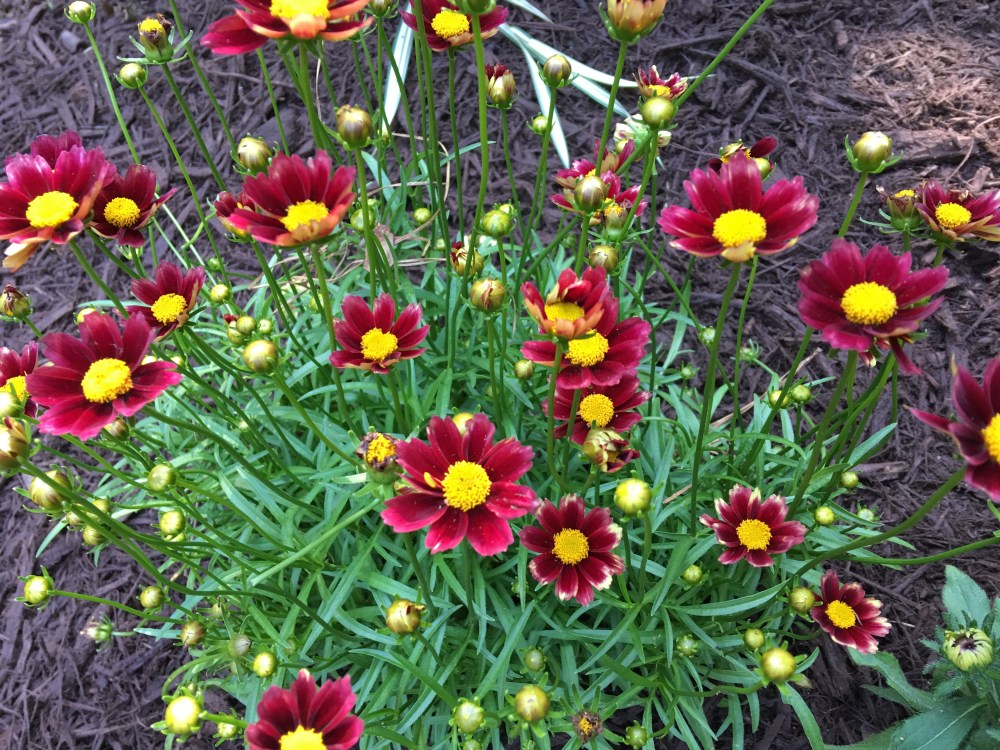
Hello, my name is Red Elf Coreopsis.
This is a hardy plant meaning it doesn’t give up easily and wants to thrive despite the lack of rain or heat index. This plant loves to show off radiant blooms from summer into the fall. This flower attracts bees and butterflies, as well as loves to be cut and put on display.
Hello, my name is Coreopsis.
Commonly called “tickseed”; these buckets of sunshine will help your garden stay vibrant by producing blooms in the heat of the summer and on into fall. Coreopsis come in a variety of colors and heights, along with some are perennial in areas while others are annual. Be sure to deadhead blooms and water frequently to ensure best potential. Also, this plant does not require much fertilizer and will actually struggle with too much fertilizer. It is recommended to lightly fertilize or do not fertilize at all.


Hello, my name is Coneflower.
This plant is low maintenance and native to North Carolina. It only requires being placed in an area where it receives at least 6 or more hours of sunlight per day, along with weekly watering. It is best to plant this flower in the fall season and wait until the following spring to enjoy a summer and fall full of blooms.


Hello, my name is Dwarf Butterfly Bush.
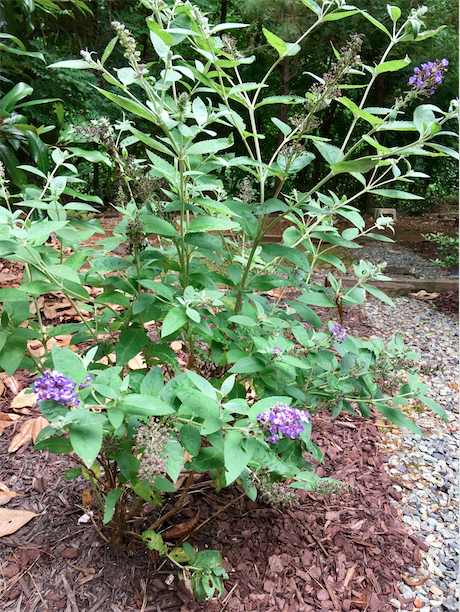
Hello, my name is Butterfly Bush.
The name says it all, because butterflies sure do love spending time in and out of this bush….so much so that I have to monitor my cats who lie beneath them anticipating a quick catch. These bushes can thrive in sunny or partially shaded areas and can tolerate heat and drought. You want to plant this bush in an area that drains well, because too much water will cause the bush to rot. If you have an area that needs a plant to take it over and grow to full potential, then I suggest the full size butterfly bush; however, if your space is small and surrounded by other plants, then go with the dwarf size butterfly bush.

For my folks who have yards that do not receive direct sun; stay tuned for…
Digging in the Dirt: Lovers of the Shade, Ya’ll.
 southernrusticliving