April is Autism Awareness Month.
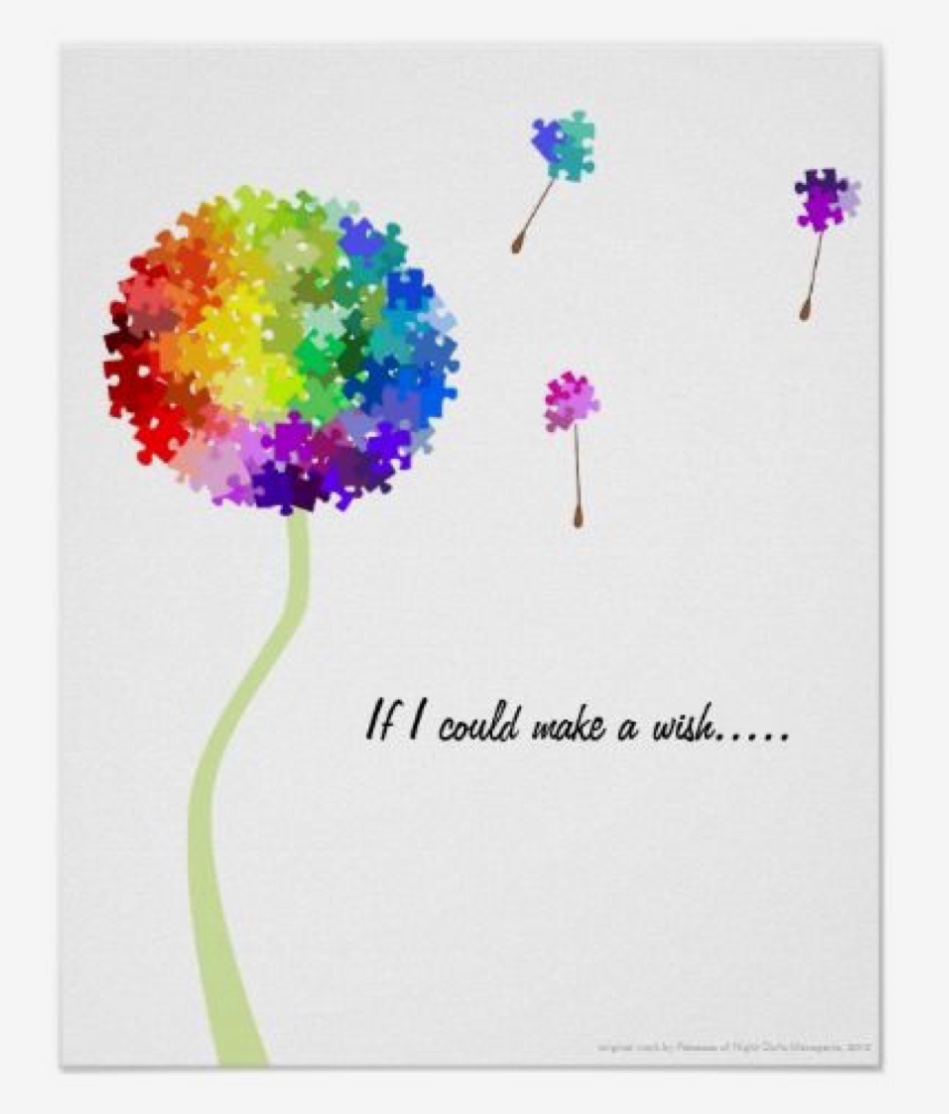
In April we unite to celebrate the beauty, complexity, diversity, of the Autism Spectrum Disorder. Individuals with Autism may perceive the world differently, but it is time that we understand their thoughts. We raise awareness, because their thoughts bring forth depth, meaning, circumstance, change, perspective and need to be known. Some individuals with Autism have so much that they could express; however, this disorder can cause prevention from showing or telling one’s worries, facts, emotions, intelligence, compassion, etc.
Different, not less.
Without further ado, I have invited my sister; Katelyn Jones, to share her experiences working with students who have severe forms of Autism.
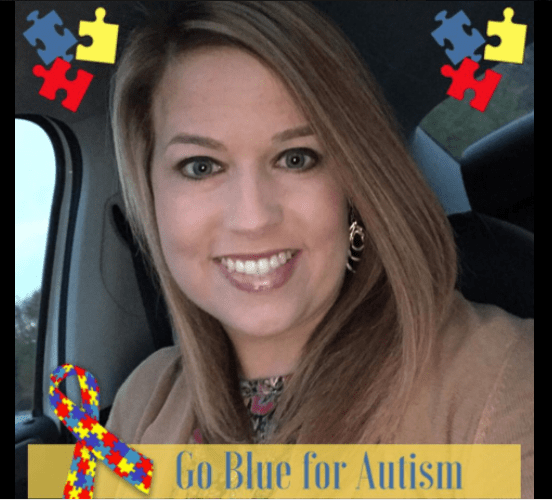
Some background on Katelyn is that she is a graduate of Appalachian State University where she obtained a degree in Education with Adapted Curriculum. This means that Katelyn is licensed to teach students who are classified to have severe conditions and may not be successful in a regular education setting. Katelyn’s goal as a teacher is to assist, prep, and nurture students with severe forms of Autism to overcome boundaries, adaptations, and learn independent skills. The curriculum for Katelyn’s students not only holds expectations for academic success, but also requires students to learn independent tasks that many of us take for granted.
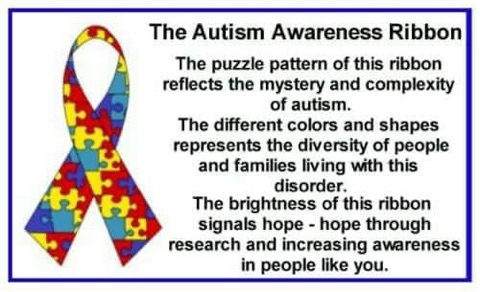
Interview with Katelyn Jones, S.A.I.L classroom teacher with Cleveland County Schools.
Question: What does the S.A.I.L program stand for, as well as the goals for the S.A.I.L program?
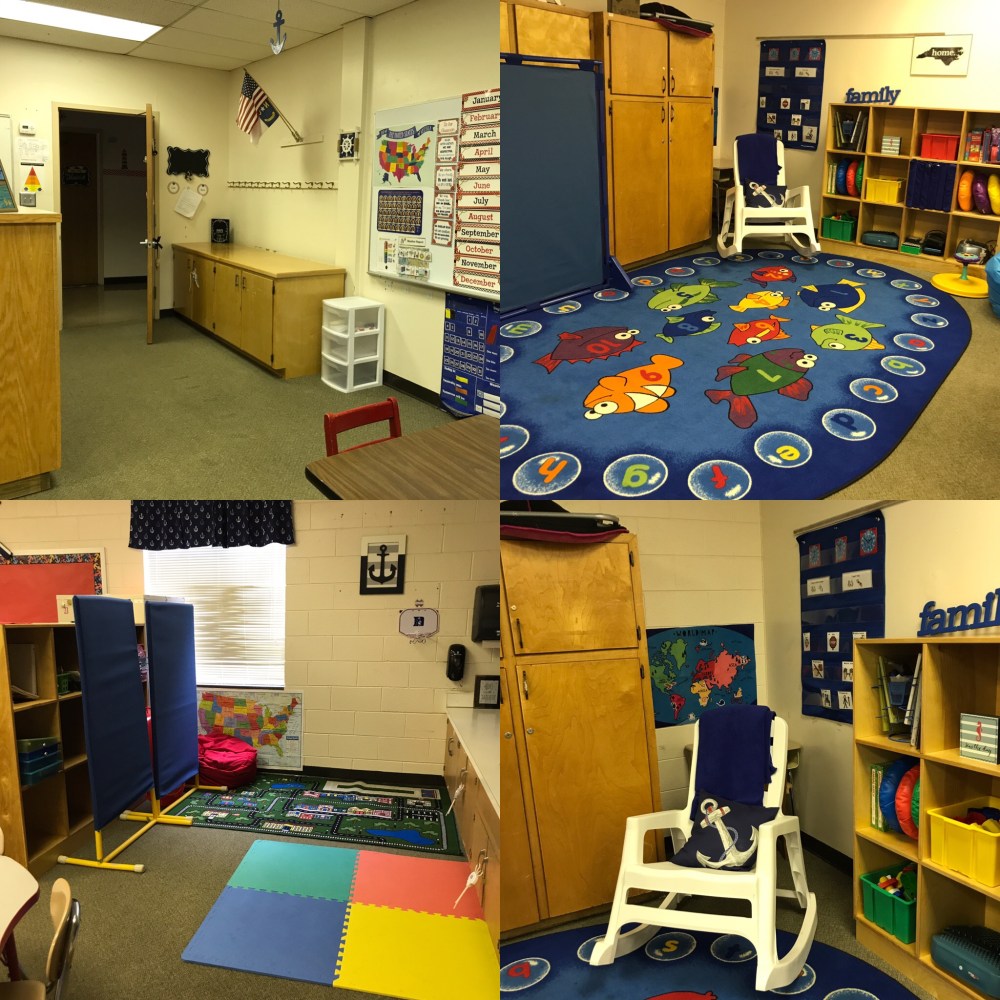
K.J: “Currently, I work in a S.A.I.L. (Social and Academic Instruction for Life) classroom. This program serves students with severe disabilities needing a separate setting and specialized services. There are seven students in our classroom. Two in Kindergarten, four in First grade, and one in Third grade. My classroom is based on meeting the individual needs of my students. Several resources are used to help teach our students (both verbal and non-verbal).”
Question: How did you decide that you wanted to teach students with Autism?
K.J: “Education has always been a vital role in my life. I was a teacher cadet in high school and volunteered in a school designed for students with special needs. Following high school, I became a Teacher Assistant for an Elementary Special Education Classroom, drove a school bus, and attended college classes at night and online. Following graduating Appalachian State, I landed a high school position at Webb Street School in Gastonia before transferring back to an elementary position in my hometown. Every single student along the path of high school, college, and now career has touched my heart in multiple and meaningful ways.
I still remember the first student that I spent hours with after school volunteering to help increase her academic and social skills. I was in high school and would pick her up in the afternoons. This was a student who came from a home that was uncertain when the next meal would come or if they would have a roof over their head that night; however, despite the worries, hunger, concerns, poverty; this student showed so much compassion, energy, and simply loved life.”
Question: What are some of the resources that you use with your students on a day-to-day basis?
K.J: “We have thankfully come a long way with resources, specialists, and tools. We still have a ways to go, but I am going to list some of the tools and resources that are used (depending on their needs and severity) with students who have Autism:
- NC Extended Content Standards: https://ec.ncpublicschools.gov/disability-resources/significant-cognitive-disabilities/nc-extended-content-standards
- Students may also receive in school or outside services such as speech therapy, occupational therapy, physical therapy, ABA therapy, etc.
- Discrete trial training (DTT) is a method of teaching in simplified and structured steps. Instead of teaching an entire skill in one go, the skill is broken down and “built up” using Discrete Trials that teach one step at a time. Discrete trial training is used daily in our classroom.
- Visuals/ PECS The Picture Exchange Communication System, or PECS, allows people with little or no communication abilities to communicate using pictures.
- Communication Devices: Flashcards of emotions, colors, words. These can also be used with different apps applicable to the Ipad or SMARTboard.
- Technology interaction: (students may be able to use independently and some students need one-on-one assistance to complete a task).


Question: What curriculum do you use with your early age elementary students?
Curriculum Used:
- Letterland: This is a phonics-based approach to teaching reading, writing, and spelling to 3-8 year olds. Lessons include imaginary story about a letter in the alphabet, songs, worksheet, and manipulatives that start with that letter.
- Pre-K Equals Mathematics is a comprehensive, standards based curriculum developed for students with differing abilities (also available in K-12).
- Early Literacy Skills Builder (ELSB)-reading skill curriculum targeting all National Reading Panel components; natural progression from pathways to literacy featuring “Moe” the frog (puppet).
Question: What is your goal for your students?
How do you assist students with reaching social and academic goals?
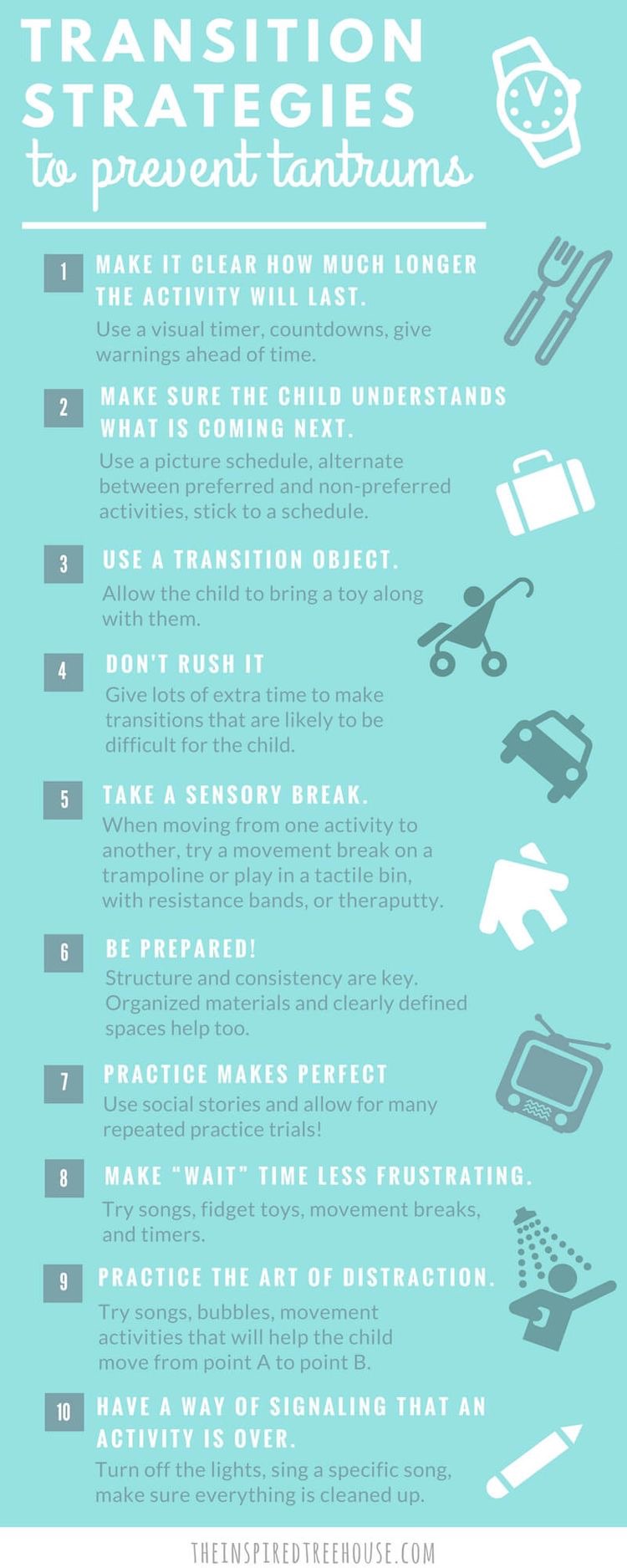
K.J: “I am extremely passionate about teaching daily living skills and functional skills. I encourage and teach my students to be as independent as possible. I want my students connecting with their emotions, feelings, and thoughts so that they can adapt to different environments. Change is often difficult for individuals with Autism so I strive to help them work through their frustrations or concerns.
How I am preparing students to socialize within society:
- Encouraging social interaction (greetings, hugs, high fives, etc.)
- Teaching functional life skills (washing hands, cleaning up area, holding utensils, counting, etc.)
- Social skills (how to walk in buildings, manners, classroom jobs or responsibilities, working with others, etc.)
- Talk about feelings (nonverbal and verbal)
Question: Describe the Autism Spectrum.
KJ: “I want to credit using sources to properly state that Autism, or autism spectrum disorder, refers to a range of conditions characterized by challenges with social skills, repetitive behaviors, speech and nonverbal communication, as well as by unique strengths and differences.
Differences in severity of autism: Autism is a spectrum disorder. The spectrum is very broad and no one individual is the same. Using specific diagnosis criteria, a child or adult’s level of autism is graded from mild to severe based on his/her developmental impairments and ability to learn. Signs of autism usually become evident in early childhood, by the age of 3. Healthcare professionals use standardized tests to diagnose autism as well as to determine functional severity of this disorder.”
Question: What do you want people to take away from this article about individuals who have forms of Autism?
K.J: “That it is a spectrum, which means that not every person with a form of Autism is the same. Each person with Autism has their own strengths and weaknesses. Individuals with Autism want love and acceptance just like anyone else. People with Autism can have a hard time voicing their personal wants or needs which is why we must step up and take the initiative to better understand their condition just as we would anyone else. They hear you, they sense your emotions, they notice your facial expressions. Some individuals with Autism may have a difficult time with communication, but they are processing your words and body language. Be mindful of your words and actions. Help become their voice.”


 southernrusticliving
Thank you for sharing this.
LikeLike